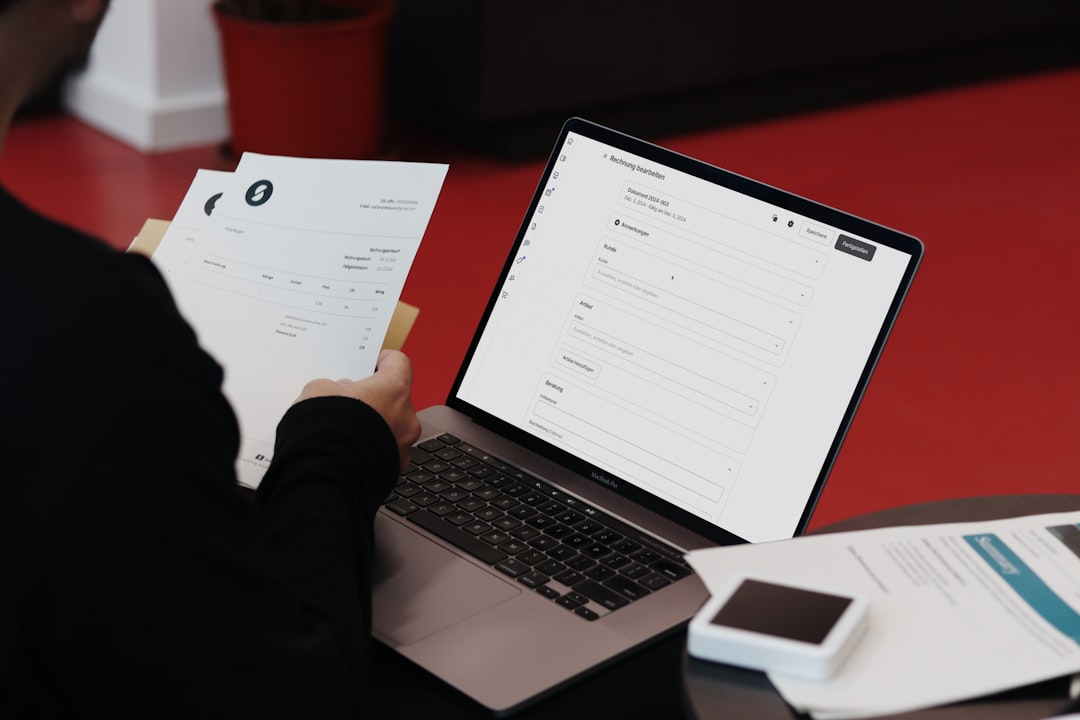
Thinking about taking the next step and owning your own business?
Buying an existing business can be a great way to gain a head start and avoid the initial challenges of starting from scratch.
While starting from scratch is a popular path, buying an existing business can offer a unique set of advantages. It can be a compelling alternative as it usually offers a ready-made customer base, established operations, and a successful track record.
This guide will walk you through the key steps and considerations involved in buying a business, providing a clear and concise overview of what you need to know.
What Does It Mean to Buy an Existing Business?
Buying an existing business involves taking over full ownership and control of a functioning business from its current owner. This includes acquiring:
- Tangible business assets, such as physical property, equipment, inventory, and other tangible resources used in the business operations.
- Intangible assets like the company’s established brand, customer base, intellectual property (like patents or trademarks), and any established processes or systems.
- Liabilities or the financial obligations of the business, such as outstanding loans, accounts payable, other business financials, and any legal claims.
- Ongoing operations, which means you’ll be responsible for managing the day-to-day activities of the business, including employee relations, marketing, sales, and customer service.
In simpler terms, you’re essentially purchasing a ready-made business, complete with its established infrastructure, customer base, and ongoing operations. This can be a great way to gain a head start and avoid the initial challenges of starting a business from scratch.
Buying an Existing Business Vs. Buying a Franchise
While buying an existing business means purchasing an established, independent company, buying a franchise means you purchase the rights to operate a branch of an established brand.
Franchises come with a recognized name, an established business model, and support from the franchisor. This often includes training, marketing, and ongoing assistance. Franchising offers lower risk compared to starting from scratch, but it comes with certain restrictions. Franchisees must follow the franchisor’s guidelines and operational standards, which limits how much freedom they have in running the business.
| Variable | Buying an Existing Business | Buying a Franchise |
|---|---|---|
| Control | You gain complete control over the business, including its operations, marketing, and strategic direction. This allows for greater flexibility and customization, but also requires more independent decision-making. | You operate franchisor’s established system and brand guidelines. This limits your control over certain aspects, but provides support and proven methods for success. |
| Support | You are largely on your own to navigate challenges and implement changes. However, you may be able to take advantage of existing relationships with suppliers and vendors. | The franchisor typically provides ongoing support, training, and marketing resources. This can be invaluable for new entrepeneurs but comes with ongoing fees and royalties. |
| Brand Recognition | You inherit the existing brand reputation, which might be positive or require improvement depending on the business’s history. | You benefit from the established brand recognition and reputation of the franchise, potentially attracting more customers. |
| Investment | The initial investment can vary significantly depending on the size and profitability of the business. | Franchise fees and royalties add to the initial investment and ongoing costs. |
Pros and Cons of Buying a Business
It’s crucial to weigh the potential benefits against the inherent challenges before deciding.
Let’s explore both sides of the coin to help you determine if buying an existing business aligns with your goals and risk tolerance.
Pros
- Faster Start-UpYou inherit a ready-made business with established operations, a customer base, and brand recognition. This allows you to start generating revenue and profit sooner than starting from scratch.
- Proven Track RecordExisting businesses have a history of performance, providing valuable insights into their viability and potential for growth. This can make it easier to secure financing and assess the risk involved.
- Established InfrastructureYou inherit existing systems, processes, and equipment, saving time and resources on setting up the business from scratch.
- Immediate Cash FlowIf the business is already profitable, you’ll start generating income immediately, providing financial stability and a foundation for growth.
- Experienced TeamYou may inherit a team of experienced employees with valuable knowledge and skills, reducing the need for extensive recruitment and training.
Cons
- Higher Initial InvestmentBuying an established business often requires a significant upfront investment, including the purchase price, potential renovations, and working capital.
- Hidden IssuesHidden problems or liabilities that weren’t disclosed during the due diligence process might lead to unexpected challenges and costs.
- Integrating the BusinessIntegrating the existing business into your operations and management style can be time-consuming and require careful planning.
- Limited ControlYou inherit the business’s existing company culture, processes, and brand identity, which may not perfectly align with your vision and goals.
- Dependence on the Previous OwnerKey employees or customers might be loyal to the previous business owner, potentially impacting the business after the acquisition.
How to Buy a Business
Taking over a business requires careful planning, financial resources, and a solid understanding of the company and its industry. Here are the steps to buying a business:
1. Define Your Goals and Interest
Before taking over an existing business, it’s crucial to clearly define your goals and interests. This helps you identify suitable opportunities and assess whether you have the necessary skills and resources to succeed.
Defining your goals and interests gives you a clearer understanding of your readiness to take over a business and identifies areas where you may need additional support or education. This self-assessment is a crucial step in ensuring that the business you choose is a good fit for your skills, interests, and resources.
Here are some key questions to ask when buying a business:
How much time do you have to run this business? Consider your availability and how much time you can realistically dedicate to managing and growing the business.
What is your expertise in the field? Evaluate your knowledge and experience in the industry. This will help you understand the challenges and opportunities you might face.
What is your expertise in business? Assess your business skills and experience. Are you familiar with running a business, managing finances, and leading a team?
How will you fund the investment? Determine your financial situation and how you plan to finance your purchase. Will you use personal savings, secure a business loan, or seek out investors?
2. Understand Your Options
Finding the right business to buy involves casting a wide net and exploring various sources. The more options you consider, the better your chances of finding one that meets your criteria. Don’t settle for the first business that looks good; continue searching until you have a solid list of potential candidates to choose from.
When searching for a business to take over, prioritize those with positive cash flow or promising growth potential. Choose an industry you understand and where customers are diverse, with no single client dominating revenue. Look for a business with a clear long-term growth plan and, most importantly, one you envision yourself enjoying running.
- Here are a few places to look for business opportunities:
- Websites like BizBuySell offer listings of businesses for sale.
- Local attorneys who specialize in business transactions may have leads.
- Explore franchise opportunities if you’re interested in this business model.
- Local business brokers can connect you with businesses on the market.
- Accountants may know of businesses looking to sell.
- Network with small business owners in your ideal industry to find potential sellers.
3. Evaluate Business Price and Other Costs
When evaluating a potential business opportunity, it’s important to consider not just the purchase price but also other associated costs, such as operational expenses, potential renovations, marketing costs, and any hidden liabilities.
To thoroughly understand your options, ask these key questions:
- Why is the business for sale? Understand the seller’s motivation to identify any potential red flags.
- What is the financial health of the business? Review financial statements, tax returns, and profit margins.
- What are the business’s assets and liabilities? Know what you’re getting into, including any outstanding debts or legal issues.
- What is the customer base like? Learn about customer demographics, loyalty, and satisfaction.
- How does the business operate? Understand daily operations, staffing, supplier relationships, and any unique processes.
Exploring multiple sources and asking the right questions equips you to find a business that fits your goals and ensures a smoother transition into ownership.
To help you compare your options, you can also create a list of businesses to buy and rank them based on how well they meet your criteria. This systematic approach will help you make a well-informed decision and choose the best business for your needs.
4. Value the Business
Once you’ve identified a business you’re interested in, it’s time to figure out how much the business is worth. Valuing a business is crucial because it ensures you don’t overpay and helps you make an informed investment decision. Many sellers tend to overvalue their business, so it’s in your best interest to perform a thorough valuation to understand its true worth.
Business valuation is typically calculated through one of the following methods: business revenue, net income, or EBITDA (Earnings Before Interest, Taxes, Depreciation, and Amortization). Each type of business may require a different approach to valuation. Factors such as industry standards, market conditions, and the specific circumstances of the business play a significant role in determining the appropriate method.
When valuing a business, you have two options: do it yourself or hire a professional.
Do-It-Yourself Valuation
This involves using financial metrics like revenue, net income, or EBITDA (earnings before interest, taxes, depreciation, and amortization) to estimate the business’s value. While cost-effective, this method requires research and financial expertise.
Professional Valuation
Hiring a qualified business appraiser provides a more in-depth and objective assessment. However, this service can be expensive.
5. Negotiate and Make an Offer
Once you’ve decided to buy a business and have a good idea of its value, it’s time to negotiate the price. Start by making a non-binding offer, either in writing or verbally. If your offer is close to what the seller wants, they’ll start negotiating with you.
In most cases, you’ll go back and forth, discussing different prices and terms until you reach a tentative agreement. These terms can be changed later if your due diligence uncovers new information about the business’s value.
During negotiations, you’ll also need to decide whether to buy the business’s assets or make it a stock sale. Sellers often prefer stock sales for tax reasons. In a stock sale, you take on any existing legal liabilities because the business continues operating as usual, just with a new business owner. Some sellers may even offer a discount on the purchase price if you agree to a stock sale.
6. Submit a Letter of Intent
Once you’ve reached a tentative agreement on the purchase price and key terms with the seller, document your understanding with a Letter of Intent (LOI).
An LOI is a non-binding document that outlines the main points agreed upon during negotiations. It serves as a bridge between the initial agreement and the formal purchase agreement.
What does an LOI typically include?
- A high-level overview of the transaction, including the type of purchase (asset or stock)
- The agreed-upon purchase price
- Key terms like payment methods, closing timeline, and contingencies
- Non-disclosure agreements (NDAs) to protect confidential information
7. Perform Due Diligence
After signing the Letter of Intent (LOI), you’ll gain broader access to the business’s inner workings. Due diligence is your chance to thoroughly examine the company’s financial health, legal standing, and operational details before finalizing the purchase. Here’s a suggested checklist to ensure a comprehensive review:
This includes incorporation documents, certificates of good standing, and business licenses.
- The past three years of business tax returns.
- Revenue data broken down by customer for the last three years.
- Current year income statements, balance sheets, and cash flow statements.
- If the business is a franchise, review the uniform franchise disclosure document.
- Information about any current business debt.
- Lists of customers, with sensitive information redacted as needed.
- Review existing contracts to see if they can be transferred to the new business owner.
- Commercial lease agreements or other property-related documents.
- If the property has tenants, review the rent rolls.
- Details about current employees and managers.
- Review existing marketing and advertising materials.
- Any legal records for pending litigation, if applicable.
Conducting thorough due diligence is crucial to ensure you have a complete understanding of the business’s operations, financial health, and potential risks before finalizing the purchase. This step helps to confirm that the business meets your expectations and that there are no hidden surprises.
8. Get Funded
While performing due diligence, you should also work on securing financing for the purchase. Most business acquisitions are funded through a mix of personal funds (equity) and loans (debt). You have several financing options, including SBA loans, traditional bank loans, a business acquisition loan, and Rollover for Business Startups (ROBS). If you have a robust 401K, ROBS might be the best option, as it allows you to finance the purchase without incurring debt or interest.
You can also find out if seller financing is available. Seller financing can ease the financial burden by allowing the seller to provide a loan instead of an outside lender. This option requires substantial documentation from both you and the business.
Alternative lenders can be a valuable resource, offering more flexible terms and faster approval times than traditional banks. They might be more open to working with small business owners with imperfect credit or limited collateral. These lenders can offer loans for buying a business that are tailored to your specific needs, which is especially beneficial if your business has unique requirements.
9. Seal the Deal
This step involves signing the final purchase agreement and transferring ownership of the business. Ensure all negotiated terms and conditions are clearly outlined in the agreement.
Carefully review the final purchase agreement with your attorney to ensure all terms are accurately represented. Confirm that your financing is in place and ready for disbursement. Additionally, make sure all legal requirements, such as business licenses and permits, are transferred to your name.
Oversee the transfer of all assets, including inventory, equipment, and intellectual property. Inform employees, customers, suppliers, and other stakeholders about the change in ownership. Finally, sign all necessary documents and make the final payment to complete the purchase.
Conclusion: Is It a Good Idea to Buy an Existing Business?
Buying an existing business can be a smart move for many entrepreneurs. It offers the advantage of starting with an established customer base, proven revenue, and operational systems already in place, which can reduce the risks and challenges of starting a new business from scratch.
However, be sure to conduct thorough due diligence to ensure the business is financially healthy and aligns with your goals. Carefully evaluate the business’s value, secure the necessary financing, and negotiate favorable terms.
Whether buying an existing business is a good idea depends on your personal goals, expertise, and the specific opportunities available. With careful planning and execution, purchasing an established business can be a rewarding path to entrepreneurship.